Facades are typically known as the principle front or the front facing exterior sides of the building. In architectural terms, they are one of the most important exterior design elements as they largely determine the overall feel of the structure. Furthermore, they play a crucial role in terms of light transmittance, acoustic performance and energy efficiency of a building.
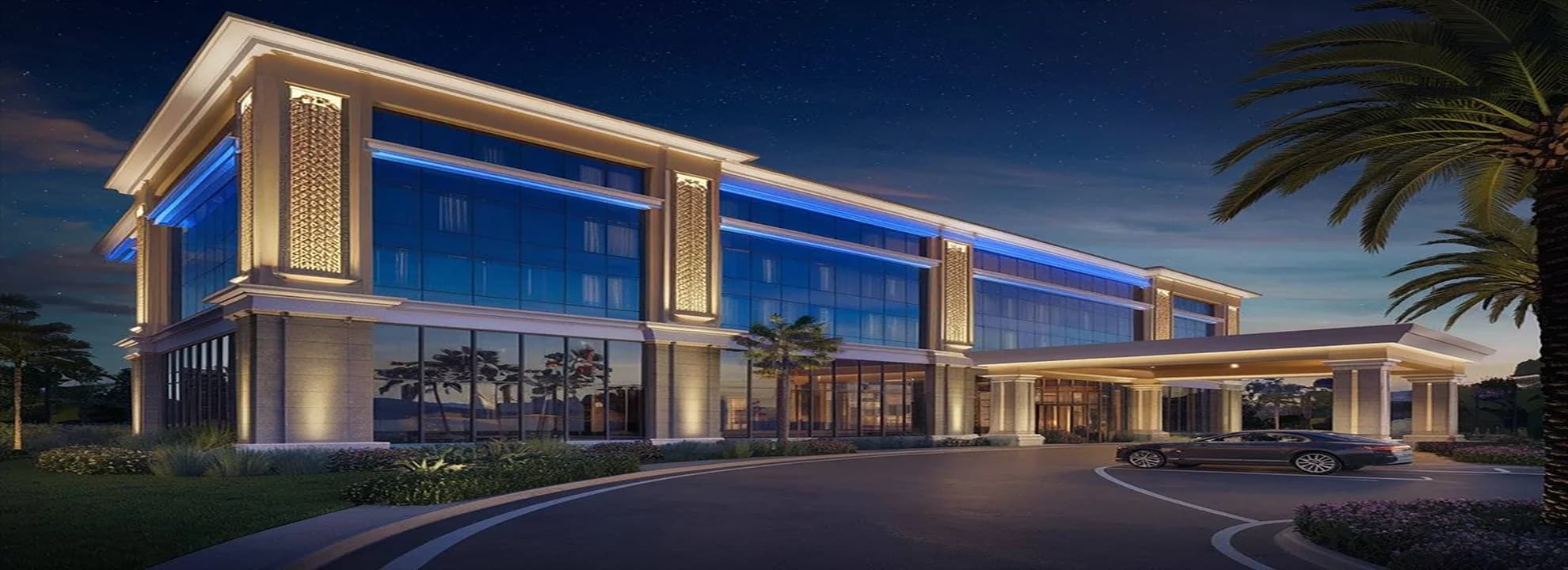
Facades exert influence on achieving superior aesthetics, and this is where facade lighting comes into play. Illuminating facades with lights can transform a boring building into a real eye-catcher as it highlights the architecture and puts emphasis on key building features. According to experts, gracefully lit buildings stand out and enhance the surroundings as well. Appropriate facade lighting creates a great first impression of the building that notably attracts the employees and customers.
Well-planned facade lighting primarily helps in highlighting the main features of the building. According to the top commercial lighting manufacturers, the right lighting strategy can dramatically elevate the visual identity of any structure. It can also be used to add an artistic feel to the exteriors with creative use of shadows and light placement.
1.Well-planned facade lighting primarily helps in highlighting the main features of the building. Moreover, it can also be used to add an artistic feel to the exteriors with shadows. Highlighting a feature makes it more visible while silhouetting provides entirely different results. In silhouetting, the lights are placed behind an object for illuminating the backdrop, creating a dramatic contrast that draws the eye.
2.Many architectural experts use up-lighting for pillars and columns to add a simple contrast or to accentuate the object for making it the center of attraction. According to top commercial lighting manufacturers, this technique is one of the most effective ways to emphasize structural elements and create a sense of grandeur in a building's exterior.
Modern architectural plans are embellished with a variety of facade designs and lighting adds a vibe to it. According to the leading industrial lighting manufacturers, a facade design may seem different in shape or design when it is illuminated by natural lighting or artificial lighting during night. This changes its appearance throughout the day as the direction of light keeps changing.
Some types of facades and lighting suggestions include:
A solid facade is referred to a smooth wall surface with no texture. These facades are primarily influenced by natural lighting conditions (sunlight). However, large and uniform surfaces can be provided with a definite structure and patterns of light, transforming a plain wall into a visually engaging surface.
Developers can use narrow beams of light to intensify the vertical division. They can also consider a combination of up-lights and downlights for augmenting the facade. This approach adds depth and dimension to vertically structured buildings, making them appear taller and more striking at night.
Horizontal divisions can cast long and heavy shadows in the building's facade. However, this can be reduced by increasing the offset of the luminaire from the facade. Careful placement of light sources ensures that horizontal lines are accentuated without creating overly harsh or distracting shadow patterns.
A facade based on innovation that allows creative use of multiple lighting techniques. For instance, people can use Linear Wall Washer LED or Formz LED lighting solutions for illuminating these charismatic covers. Perforated facades offer unique opportunities for light to interact with the surface in visually captivating ways.
Lighting the facades with a professional outdoor lighting solution fabricates dramatic effects that can enhance the night-time aesthetics of a commercial building. It complements the overall charm and adds a glamorous finishing touch to the building.
The right facade lighting solution addresses all functional requirements while highlighting the surreal aesthetics of the surroundings after sunset. As architectural lighting continues to evolve, facade lighting remains one of the most powerful tools available to designers for transforming the visual identity of buildings and their surrounding environments.